Clubmatch was built by two people who were already running a tennis club when they noticed the problem. Not in a meeting room. Not from a market research report. From a clubhouse in Hertfordshire, on a Saturday morning, watching members leave because they couldn’t find anyone to play with.
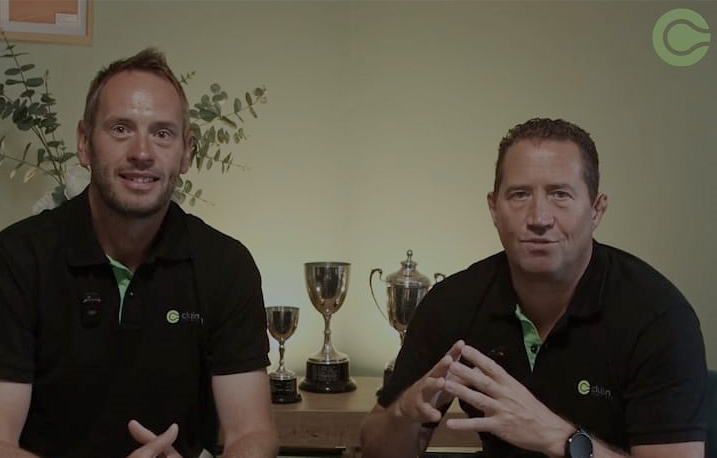
James Godber has been a full-time tennis coach for 25 years, working across some of the country's leading clubs and schools. In that time, he's heard the same frustrations from every direction – members who can't find a game, coaches who can't build a client base, volunteers burning out trying to hold a committee together.
Kevin Rand came to tennis later, as a player and then as chair of a club in Hertfordshire. He brought 35 years of retail and software experience with him – and a background in judo, where club culture was something people actively built and protected. Walking into tennis for the first time, he was surprised to find that most clubs didn't work that way.
The two of them met at Woburn Tennis Club. James was already there as head coach. Kevin joined as chair. Within a few years, they had grown the membership significantly – but that’s a story for another page. What matters here is what they noticed along the way: that even a thriving club, with more members than it could comfortably hold, still had courts being cancelled because members couldn’t find each other.
They tried a physical board first. Members could pin their name, level and availability to it in the clubhouse. It worked – but you had to come in to use it, and leaving your phone number on a public noticeboard is not, as Kevin puts it, particularly sensible from a data protection point of view.
Kevin, who works in software, saw the digital version of the problem clearly. It wasn’t a court booking issue – there were already tools for that. It was something more specific: members of the same club had no easy way to find each other, signal availability, and arrange a game without friction. No sharing of personal details. No group chat noise. Just a way for two people at a similar level to find each other and get on court.
That became the core of Clubmatch. It has since grown to cover court booking, membership management, automatic renewal, coach bookings and profiles, incident reporting, targeted member communications, and guest fee collection. But find-a-player is still where it started, and still what makes it different.
Most club management software is built for committees. It handles the admin – memberships, bookings, invoicing – and does it reasonably well. What it doesn’t do is make the club feel like a community to the person who just joined and doesn’t know anyone yet.
Clubmatch was built for both. The committee gets the tools they need to run things without it taking over their weekends. The member gets something that actually helps them play more tennis and feel connected to the club they joined.
It is also built to work alongside existing systems, not to replace everything at once. Many clubs using Clubmatch continue to use ClubSpark for memberships, websites, and LTA reporting. Clubmatch sits alongside it as the day-to-day interface – the thing members actually open when they want to find a game, book a court, or get in touch with a coach.
Clubmatch was built by two people who were already running a tennis club when they noticed the problem. Not in a meeting room. Not from a market research report. From a clubhouse in Bedfordshire,.
James Godber has been a full-time tennis coach for 25 years, working across some of the country's leading clubs and schools. In that time, he's heard the same frustrations from every direction – members who can't find a game, coaches who can't build a client base, volunteers burning out trying to hold a committee together.
Kevin Rand came to tennis later, as a player and then as chair of a club in Hertfordshire. He brought 35 years of retail and software experience with him – and a background in judo, where club culture was something people actively built and protected. Walking into tennis for the first time, he was surprised to find that most clubs didn't work that way.
The two of them met at Woburn Tennis Club. James was already there as head coach. Kevin joined as chair. Within a few years, they had grown the membership significantly – but that’s a story for another page. What matters here is what they noticed along the way: that even a thriving club, with more members than it could comfortably hold, still had courts being cancelled because members couldn’t find each other.
James tried a physical board first. Members could pin their name, level and availability to it in the clubhouse. It worked – but you had to come in to use it, and leaving your phone number on a public noticeboard is not, as Kevin puts it, particularly sensible from a data protection point of view.
Kevin, who works in software, saw the digital version of the problem clearly. It wasn’t a court booking issue – there were already tools for that. It was something more specific: members of the same club had no easy way to find each other, signal availability, and arrange a game without friction. No sharing of personal details. No group chat noise. Just a way for two people at a similar level to find each other and get on court.
That became the core of Clubmatch. It has since grown to cover court booking, membership management, automatic renewal, coach bookings and profiles, incident reporting, targeted member communications, and guest fee collection. But find-a-player is still where it started, and still what makes it different.
Most club management software is built for committees. It handles the admin – memberships, bookings, invoicing – and does it reasonably well. What it doesn’t do is make the club feel like a community to the person who just joined and doesn’t know anyone yet.
Clubmatch was built for all three pillars of a tennis club: committees, members and coaches. The committee gets the tools they need to run things without it taking over their weekends. The member gets something that actually helps them play more tennis and feel connected to the club they joined, and coaches given the opportunity to grow their business.

James has been coaching tennis for 25 years, working across club, school, and elite environments. He brings a coach's understanding of what members actually need from a club, and what holds most clubs back from giving it to them.


Kevin has spent 35 years in retail and software, most recently in SaaS customer success. As chair of Woburn Tennis Club, he saw at first hand the gap between what club management software offered and what clubs actually needed. He built Clubmatch to close that gap.

Keith is CEO and co-owner of Creative ITC, a leading provider of cloud and infrastructure-as-a-service solutions. He brings a background in technology strategy – including a period as Head of Technical Strategy at Cisco – and a genuine passion for tennis. He guides Clubmatch's strategic direction as it scales.



.jpg)